
Appraisal vs. Home Value Estimate: What's the Difference in Idaho Falls?
If you own a home in Idaho Falls, you've probably seen at least three different numbers for what it's worth. One on Zillow, one on your property tax notice, and maybe one from a neighbor's agent or a lender. Then someone mentions an appraisal and that's a fourth. No wonder people ask me which one is real. The short answer is that they're all estimates of some kind, but they're built for different jobs by different people. Once you know who made each number and why, it gets a lot less confusing. And if you'd rather skip ahead to a number built for your actual house, you can get a free Idaho Falls home value estimate from me and we'll go from there.
The online estimate: fast, free and blind
Zillow's Zestimate, Redfin's estimate and the rest are automated valuations. A computer model takes public records like square footage, bedrooms, lot size and year built, mixes in recent sales nearby, and spits out a number.
The upside is it's instant and it costs nothing. The downside is the model has never been inside your house. It doesn't know you redid the kitchen, put on a new roof, or finished the basement. It also doesn't know if the house next door that sold was a fixer. Out in smaller towns like Firth or Lewisville, where there just aren't many sales to compare against, those models have even less to work with. I wrote more about this in why Zillow says your home is worth less, if that's the number that's been bugging you.
The market analysis: what an agent puts together
A comparative market analysis, or CMA, is what an agent prepares when you're thinking about selling. It's still an estimate, but a person builds it. That means pulling homes that actually sold near you, tossing out the ones that aren't a fair match, and adjusting for differences like a third garage stall, an updated bathroom or a bigger lot.
Sellers usually ask for this one, and it's normally free. Its whole purpose is to help you pick a list price. It isn't a legal document and a bank won't lend off of it, but for setting a price it's usually the most practical tool there is.
The appraisal: the number the lender cares about
An appraisal is a licensed appraiser's opinion of value as of a specific date. The appraiser visits the property, measures it, notes the condition, picks comparable sales and writes up a report explaining how they got to their number.
Here's the part a lot of folks miss. In a normal sale, the appraisal is ordered by the buyer's lender, not by you. The lender wants to make sure the house is worth enough to back the loan. The buyer usually pays for it as part of their loan costs. So the appraisal that matters most in your sale happens after you've already accepted an offer. You can order your own ahead of time, and I covered when that's worth it in should I get an appraisal before listing, but for most typical homes it isn't necessary.
The tax assessed value: a number for the county
Your assessed value comes from the county assessor's office, and its job is to figure property taxes. Assessors value thousands of homes at a time using sales data and the details on file for each property. They usually aren't walking through your house, so if their records are wrong about your square footage or your basement, the number will be off too.
It can be close to market value or not very close at all, and it often trails what's really happening in the market. I'd never use it to price a house.
Who orders each one, and why
Online estimate: nobody orders it. A website makes it to get you to visit.
Market analysis: you ask an agent for it when you're thinking about selling, so you can choose a smart list price.
Appraisal: the buyer's lender orders it to protect the loan. Sometimes a seller orders one for an estate, a divorce or a one of a kind property.
Tax assessed value: the county sets it so it can send you a tax bill.
Why the numbers never match
Since each number is built from different information for a different reason, they almost never line up. A home on a big lot out by Firth might show a low online estimate because the model can't find good comparables. The assessed value might be lower still because the county's records are out of date. A market analysis might land higher because it counts the shop and the updates. Then the buyer's appraisal comes in somewhere based on the sales that appraiser chose. None of them are lying to you. They're just answering different questions.
What actually decides your sale price is buyers.
So which number should you trust?
If you're thinking about selling, start with a real market analysis from someone who knows Eastern Idaho and will look at your actual home. Use the online number as a rough ballpark at best, ignore the assessed value for pricing, and know that the appraisal is coming later from the buyer's side.
I spent years in sales and as a travel agent before real estate, and the lesson was the same: people make better decisions when somebody explains things plainly. That's why I started Smart Seller, to give sellers honest information and options that fit their situation. You can see how my listing programs work, read a bit about me, or look at the towns I cover on my Idaho Falls real estate page.
When you're ready for a number you can actually plan around, request your free home value report and I'll walk you through how I got there. Or email me at alan@smartselleridaho.com. - Uncle Al
Idaho Falls Home Seller FAQs
Is an appraisal more accurate than a Zestimate?
Usually, yes. An appraiser actually sees the house and picks comparable sales by hand, while an online estimate is a computer working from public records. That said, an appraisal is still an opinion, not a guarantee of what a buyer will pay.
Why is my assessed value different from what my home would sell for?
The county values homes in bulk for property taxes, often using older data and whatever is on file about your house. It isn't meant to be a selling price, so it's normal for it to be off from market value in Idaho Falls or the smaller towns around it.
Who pays for the appraisal when I sell my house?
In most financed sales, the buyer's lender orders it and the buyer pays for it with their loan costs. Sellers only pay when they choose to order their own, like for an estate or a pre-listing check.
Does a home inspection tell me what my house is worth?
No. An inspection looks at the condition of the roof, furnace, plumbing and so on, and it doesn't come with a value. What it finds can affect what a buyer is willing to pay, though.
Which home value number should I use to price my house?
Use a market analysis built from recent sales near you and the actual condition of your home. If you're in Idaho Falls, Ammon, Firth or Lewisville, you can get a free home value report and I'll explain the comparables I used.
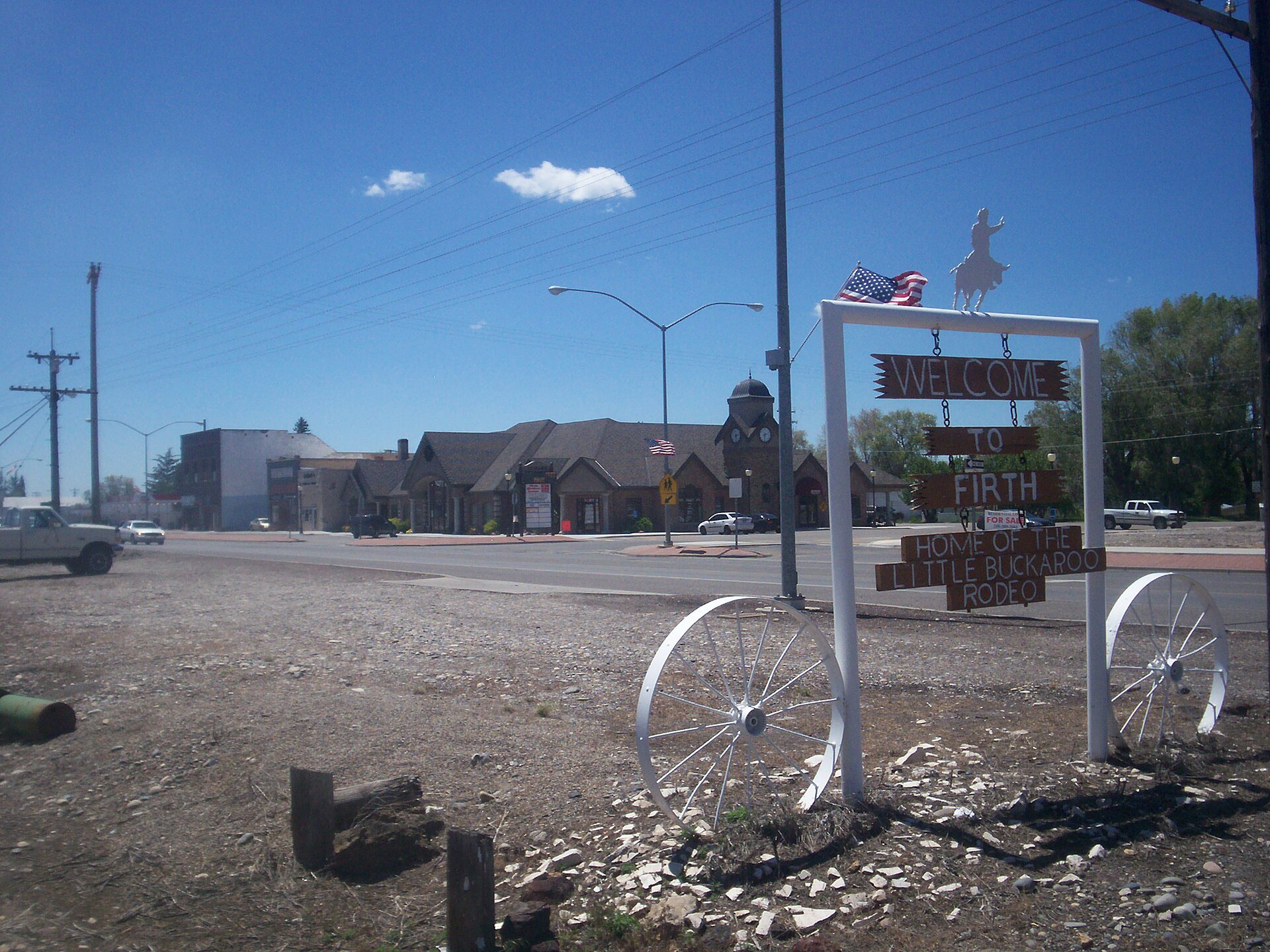
Photo: Welcome sign in Firth, Idaho, by Sociotard / Wikimedia Commons, CC BY 3.0

What's your Idaho Falls home worth?
Get a free home value from Uncle Al. No pressure, no obligation.
Get my free home value